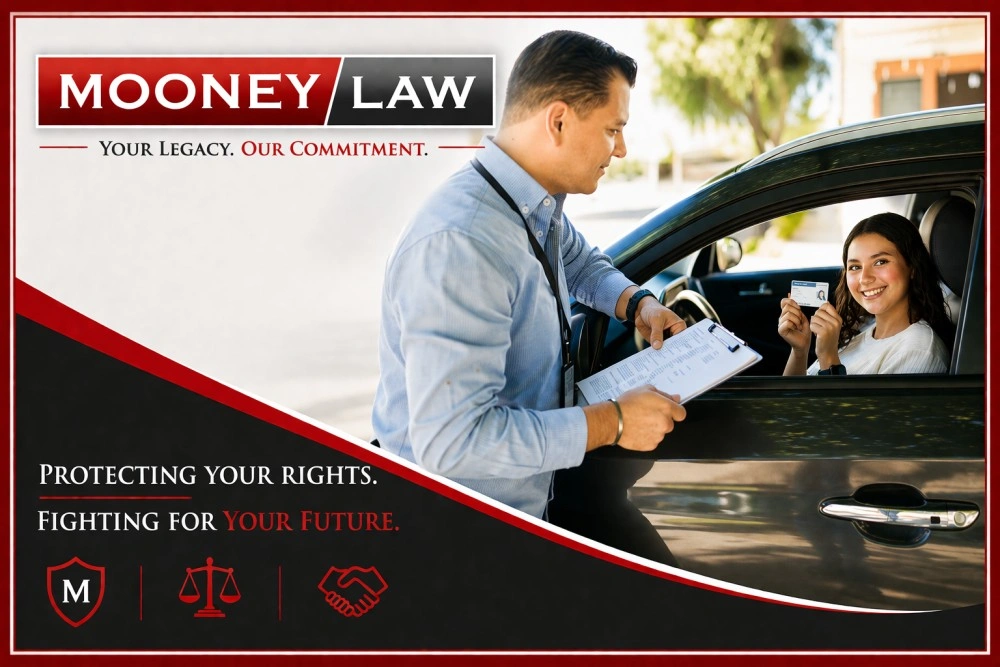
Teen drivers face unique risks on the road, and Pennsylvania has enacted specific laws designed to promote safety and reduce accidents among young motorists. Understanding these rules is essential for both teens and their parents, especially when the consequences of a mistake can include serious injuries, fines, or involvement in a rear-end car accident.
This guide breaks down Pennsylvania’s teen driving laws, restrictions, and responsibilities, and explains how these rules affect liability in accidents and when an auto accident lawyer may be necessary.
Why Pennsylvania Has Special Laws for Teen Drivers
Teen drivers are statistically more likely to be involved in car accidents due to inexperience, distraction, and risk-taking behavior. Pennsylvania’s Graduated Driver Licensing (GDL) program is designed to reduce these risks by gradually introducing driving privileges.
The goals of these laws include:
- Reducing accidents involving young drivers
- Encouraging supervised driving experience
- Limiting high-risk situations like nighttime driving
- Promoting safe driving habits early
By following these rules, teens can gain experience in a controlled and safer environment.
Pennsylvania’s Graduated Driver Licensing (GDL) System
Pennsylvania uses a three-step system for teen drivers:
- Learner’s Permit
- Junior License
- Unrestricted License
Each stage comes with its own rules and restrictions.
Learner’s Permit Requirements
Teens can apply for a learner’s permit at age 16. To obtain one, they must:
- Pass a written knowledge test
- Complete a vision screening
- Provide parental or guardian consent
While driving with a learner’s permit, teens must:
- Be accompanied by a licensed adult (age 21 or older)
- Complete at least 65 hours of supervised driving
- Including 10 hours of nighttime driving
- And 5 hours in poor weather conditions
This stage is critical for building basic driving skills.
Junior License Restrictions
After holding a learner’s permit for at least six months and completing required practice hours, teens can apply for a junior license.
However, restrictions still apply:
- Only one passenger under age 18 (unless family members) for the first six months
- After six months, up to three passengers under 18 are allowed if no violations occur
- Driving between 11 p.m. and 5 a.m. is prohibited unless for work, school, or volunteer activities
These restrictions are designed to limit distractions and high-risk driving situations.
Unrestricted License
At age 18, or after maintaining a clean driving record, drivers can obtain an unrestricted license with full driving privileges.
Passenger and Seat Belt Laws
Pennsylvania requires all drivers and passengers to wear seat belts, but there are additional rules for teen drivers.
Key requirements include:
- All passengers under 18 must wear seat belts
- Drivers are responsible for ensuring compliance
- Violations can result in fines and points on a driving record
Seat belt use significantly reduces the risk of serious injury in accidents, including rear-end collisions.
Cell Phone and Distracted Driving Laws
Distracted driving is one of the leading causes of accidents involving teens. Pennsylvania has strict laws to address this issue.
Teen drivers are prohibited from:
- Texting while driving
- Using handheld devices in a way that distracts from driving
Even a momentary distraction can lead to a rear-end car accident, especially in stop-and-go traffic. Staying focused behind the wheel is essential for preventing collisions.
Zero Tolerance for Underage Drinking and Driving
Pennsylvania enforces a zero-tolerance policy for drivers under 21.
The legal blood alcohol concentration (BAC) limit for drivers under 21 is 0.02%, which is significantly lower than the 0.08% limit for adults.
Consequences of violating this law include:
- License suspension
- Fines and penalties
- Possible jail time
- Long-term impact on driving record
Driving under the influence dramatically increases the risk of serious accidents and injuries.
Speeding and Reckless Driving Laws
Speeding is a major factor in teen driving accidents. Pennsylvania imposes strict penalties for speeding and reckless driving.
Teen drivers who accumulate six or more points on their record may face:
- License suspension
- Mandatory driver improvement programs
- Additional testing requirements
Excessive speed reduces reaction time and increases the likelihood of collisions, including rear-end accidents.
Curfew Exceptions and Documentation
While junior drivers are restricted from driving between 11 p.m. and 5 a.m., exceptions exist for:
- Employment
- School-related activities
- Volunteer work
However, teens must carry proper documentation to justify their driving during restricted hours. Failure to do so can result in penalties.
Common Causes of Accidents Involving Teen Drivers
Despite these laws, accidents still happen. Understanding common causes can help prevent them.
Frequent causes include:
- Distracted driving (texting, passengers)
- Following too closely
- Speeding
- Inexperience in handling road conditions
- Fatigue, especially during late-night driving
Rear-end car accidents are particularly common among teen drivers due to inexperience with braking distances and reaction times.
What Happens After a Teen Driver Accident
If a teen driver is involved in an accident in Pennsylvania, several steps must be taken.
Immediately after an accident:
- Check for injuries and call emergency services
- Exchange information with other drivers
- Document the scene with photos
- Notify law enforcement if required
Parents or guardians are often financially responsible for damages caused by minor drivers. This can include vehicle repairs, medical expenses, and other costs.
Liability and Insurance Considerations
Pennsylvania follows a choice no-fault insurance system, meaning drivers can choose between limited and full tort coverage.
When a teen driver causes an accident:
- Insurance policies typically cover damages
- Parents’ policies often include the teen driver
- Liability depends on fault and circumstances
In more serious cases, consulting auto accident lawyers can help families understand their rights and responsibilities.
Preventing Rear-End Car Accidents
Rear-end collisions are one of the most common types of accidents involving teen drivers. These crashes often occur due to inattention or following too closely.
Tips to prevent rear-end accidents include:
- Maintaining a safe following distance (at least three seconds)
- Staying focused on the road
- Anticipating traffic stops
- Avoiding distractions
- Driving at safe speeds
Developing these habits early can significantly reduce the risk of accidents.
Tips for Parents of Teen Drivers
Parents play a crucial role in shaping safe driving habits.
Helpful strategies include:
- Setting clear rules and expectations
- Practicing driving in various conditions
- Limiting distractions in the vehicle
- Monitoring driving behavior
- Encouraging defensive driving techniques
Open communication and consistent supervision can make a significant difference in a teen’s driving safety.
When to Seek Legal Guidance After an Accident
Accidents involving teen drivers can quickly become complicated, especially when injuries or significant damage are involved.
Situations where legal guidance may be helpful include:
- Disputes over fault
- Serious injuries or fatalities
- Insurance claim denials
- Multiple vehicles involved
Auto accident lawyers can help families navigate these challenges and protect their interests.
Protecting Teen Drivers and Others on the Road
Pennsylvania’s teen driving laws are designed to protect not only young drivers but everyone on the road. By understanding and following these rules, teens can reduce their risk of accidents and build lifelong safe driving habits.
Parents and teens should work together to ensure compliance with all laws and prioritize safety at all times.
Mooney Law Can Help Protect Your Rights
If your teen has been involved in a car accident or you have questions about Pennsylvania driving laws, the experienced auto accident attorneys at Mooney Law are here to help. With offices serving communities including Lancaster, York, and Lebanon, Mooney Law provides trusted guidance to families navigating accident-related concerns. Contact their team today to discuss your situation and learn how they can help protect your rights and your future.