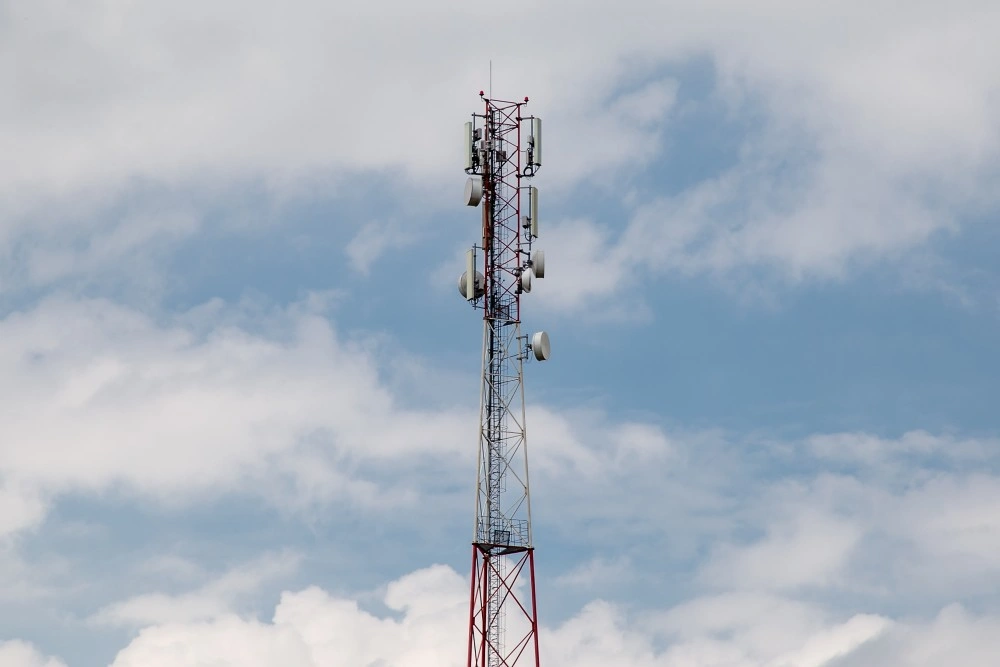
In most cases today, law enforcement must obtain a warrant to access historical cell tower location data under the U.S. Supreme Court’s decision in Carpenter v. United States. This ruling recognizes that cell phone location data is highly sensitive and protected by the Fourth Amendment. However, there are exceptions.
Authorities may access certain limited records without a warrant in emergencies or under specific legal doctrines. If you are facing charges involving digital evidence, Carlisle criminal defense attorneys can challenge the legality of that evidence.
Understanding Cell Tower Records and Why They Matter
Cell tower records, often called cell site location information (CSLI), track which cell towers your phone connects to over time. While they don’t show exact GPS coordinates, they can paint a detailed picture of your movements.
Prosecutors often rely on this data in criminal cases to:
- Place a suspect near a crime scene
- Establish timelines
- Corroborate witness statements
- Link individuals to co-defendants
For defendants, this kind of evidence can be powerful, but also legally questionable if improperly obtained.
The Fourth Amendment and Digital Privacy
The Fourth Amendment protects against unreasonable searches and seizures. Traditionally, courts allowed law enforcement to obtain certain business records, like phone logs, without a warrant under the “third-party doctrine.”
That changed with modern technology.
Cell phones are not just communication devices. They are detailed records of a person’s life. Courts now recognize that accessing location data raises serious privacy concerns.
The Landmark Case: Carpenter v. United States
In 2018, the U.S. Supreme Court issued a major ruling in Carpenter v. United States. The Court held that accessing historical CSLI is a search under the Fourth Amendment.
Here’s what that means in practice:
- Police generally must obtain a warrant supported by probable cause
- A subpoena or court order alone is not enough for extended location tracking
- Individuals have a reasonable expectation of privacy in their physical movements
This decision significantly strengthened privacy rights nationwide, including in Pennsylvania.
When a Warrant Is Required vs. Not Required
Below is a simplified breakdown of how courts typically treat cell tower record access:
| Scenario | Warrant Required? | Explanation |
| Historical CSLI (multiple days) | Yes | Protected under Carpenter |
| Real-time location tracking | Yes (in most cases) | Considered highly intrusive |
| Basic subscriber information | No | Treated as business records |
| Emergency situations | Sometimes No | Exigent circumstances exception |
| Short-term CSLI (hours) | Depends | Still evolving legally |
Exceptions to the Warrant Requirement
Even with Carpenter in place, law enforcement still has some flexibility. Prosecutors often argue exceptions apply, including:
Exigent Circumstances
Police may access data without a warrant if there is an immediate threat, such as:
- Kidnapping
- Active danger to life
- Risk of evidence destruction
Consent
If a person gives permission for their data to be accessed, a warrant is not required.
Good Faith Exception
If officers reasonably relied on outdated laws or court orders before Carpenter, courts may still allow the evidence.
Limited Data Requests
Some courts still debate whether very short-term data collection requires a warrant, though the trend is moving toward stricter protections.
How This Affects Criminal Cases in Carlisle, Pennsylvania
For anyone facing charges, this issue is not just academic, it can determine whether key evidence is admissible.
Carlisle criminal lawyers frequently examine:
- Whether a warrant was properly issued
- If probable cause existed
- Whether the scope of the search exceeded legal limits
- If exceptions were improperly applied
If law enforcement violated your rights, your attorney may file a motion to suppress the evidence. If successful, that evidence cannot be used against you.
That can dramatically weaken the prosecution’s case.
Challenging Cell Tower Evidence in Court
Experienced Pennsylvania criminal defense attorneys know that cell tower data is not always as precise as it seems.
Defense strategies may include:
- Questioning the accuracy of tower “pings”
- Highlighting gaps in coverage or signal overlap
- Challenging the interpretation of movement patterns
- Bringing in expert witnesses
Even when legally obtained, CSLI is not infallible.
Why Legal Representation Matters
Digital evidence cases are complex. Prosecutors rely heavily on technology, but that technology must be handled correctly.
Working with skilled Carlisle criminal defense attorneys ensures:
- Your constitutional rights are protected
- Evidence is thoroughly reviewed
- Weaknesses in the prosecution’s case are exposed
- You have a strong defense strategy from the start
Why Clients Trust Mooney Law
Mooney Law has built a reputation for results and client-focused representation across Pennsylvania.
Clients choose the firm because:
- Over 200 years of combined legal experience
- A full-service law firm handling complex criminal matters
- A strong track record of successful outcomes
- 14 convenient office locations, including Carlisle
- Commitment to clear communication and client respect
The firm has helped thousands of clients resolve legal issues ranging from routine matters to high-stakes criminal defense cases.
Mooney Law’s attorneys understand that facing criminal charges is stressful. Their approach focuses on providing clear guidance so clients can make informed decisions.
What To Do If You’re Under Investigation
If you believe law enforcement accessed your cell phone data, do not ignore it.
Take these steps immediately:
- Do not speak to police without legal counsel
- Avoid discussing your case with others
- Preserve any relevant records or communications
- Contact an experienced defense attorney
Early intervention can make a major difference in your case.
Frequently Asked Questions
Do police always need a warrant for cell tower records?
No. While a warrant is generally required for historical location data, exceptions like emergencies or consent may apply.
What is CSLI in criminal cases?
CSLI stands for cell site location information. It shows which cell towers your phone connected to, helping estimate your location.
Can cell tower data be wrong?
Yes. It is not exact and can be affected by signal strength, tower congestion, and geographic factors.
Can illegal cell phone evidence be thrown out?
Yes. If obtained without a proper warrant or valid exception, your attorney can file a motion to suppress it.
How can Carlisle criminal lawyers help?
They analyze how evidence was collected, challenge unlawful searches, and build a defense strategy tailored to your case.
Do Pennsylvania courts follow the Carpenter decision?
Yes. Pennsylvania courts apply Carpenter and generally require a warrant to access historical CSLI.
Talk to a Criminal Defense Attorney Today
If your case involves digital evidence, don’t assume the prosecution got it right. One mistake in how evidence was collected could change everything.
Mooney Law’s Pennsylvania criminal defense attorneys are ready to evaluate your case, protect your rights, and fight for your future.