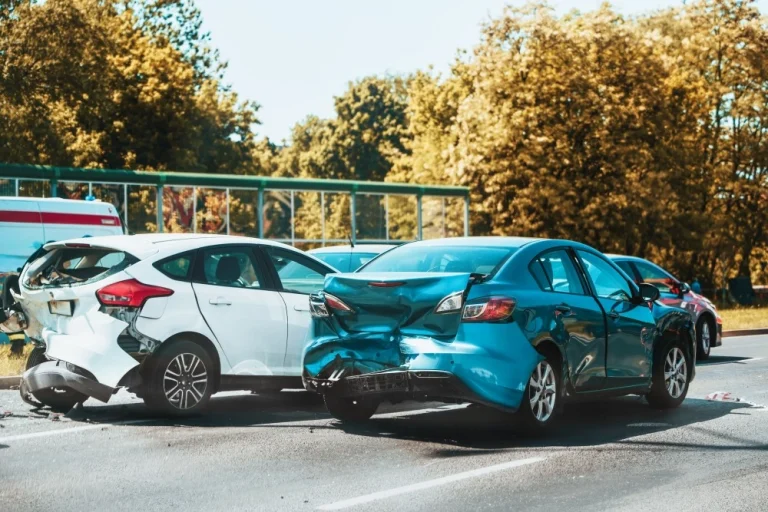
Driving in Pennsylvania means dealing with some of the most unpredictable road conditions in the region. Snowstorms, heavy rain, fog, aging infrastructure, and constant construction all increase the likelihood of serious car accidents. When crashes occur under these conditions, insurance companies often seek to minimize liability by blaming the weather rather than the driver.
That approach is misleading. Weather may contribute to a crash, but it does not excuse unsafe driving. In many cases, a car accident lawyer in Pennsylvania can prove that another driver failed to adjust to road conditions and should be held responsible for the injuries they caused.
Understanding how weather and road hazards affect crash risk—and how fault is determined—can make a significant difference after an accident.
Why Weather-Related Accidents Are So Common in Pennsylvania
Pennsylvania’s climate and terrain pose ongoing hazards for drivers year-round. Mountainous regions, rural highways, river valleys, and heavily traveled urban corridors all present unique risks when weather conditions change.
Crashes in Pennsylvania frequently involve weather-related factors, including snow, ice, rain, fog, and poor road maintenance. These conditions reduce visibility, limit traction, and increase stopping distances. However, the law does not treat these risks as unavoidable. Drivers are expected to recognize dangerous conditions and adjust their driving accordingly.
When they fail to do so, they can still be found negligent—even when the weather is bad.
Winter Weather: Snow, Ice, and Black Ice
Winter driving is a major contributor to serious crashes in Pennsylvania. Snow-covered roads and freezing temperatures can make even short trips dangerous, particularly on bridges, hills, and untreated side roads.
Black ice is hazardous because it is often invisible. Drivers may believe the road is clear until they suddenly lose control. While black ice is unpredictable, drivers are still expected to take reasonable precautions in winter conditions.
Common forms of winter-related negligence include:
- Driving too fast for icy or snow-covered roads
- Following other vehicles too closely
- Failing to clear snow or ice from windshields, mirrors, or roofs
- Using worn tires that lack adequate traction
Insurance companies often label winter crashes as unavoidable, but that argument doesn’t hold up when a driver ignores obvious risks. A Pennsylvania car accident lawyer can examine weather reports, road treatment records, and vehicle behavior to determine whether the at-fault driver acted irresponsibly.
Rain, Wet Pavement, and Hydroplaning
Rain causes thousands of crashes in Pennsylvania each year, especially during sudden storms or after a dry period. Oil and debris rise to the surface, making roads slick and unpredictable.
Hydroplaning occurs when a vehicle’s tires lose contact with the road due to standing water. While drivers often claim hydroplaning was unavoidable, it is frequently linked to unsafe driving behavior.
Drivers increase their risk of hydroplaning when they:
- Speed on wet roads
- Fail to slow down during heavy rain
- Drive with worn or underinflated tires
- Make abrupt turns or braking maneuvers
Hydroplaning does not automatically eliminate fault. In many cases, the driver’s speed or vehicle maintenance issues play a decisive role. A car accident lawyer in Pennsylvania can challenge the assumption that rain alone caused the crash.

Fog and Reduced Visibility
Fog is a common hazard in Pennsylvania, particularly in river valleys, rural areas, and mountainous regions. Dense fog significantly reduces visibility and reaction time, increasing the likelihood of collisions.
Drivers are expected to reduce speed and remain alert when visibility drops. Many fog-related crashes occur because drivers continue at normal speeds or fail to maintain safe following distances.
Negligent behavior in foggy conditions may include:
- Driving too fast for limited visibility
- Failing to use headlights properly
- Following too closely
- Attempting unsafe passing or lane changes
When drivers ignore these risks, they can still be held legally responsible for resulting accidents.
Poor Road Conditions and Infrastructure Problems
Pennsylvania has long struggled with deteriorating roads and bridges. Potholes, uneven pavement, and crumbling infrastructure contribute to a wide range of accidents, from tire blowouts to sudden swerving that causes multi-vehicle crashes.
Road condition issues are especially dangerous for motorcyclists, bicyclists, and smaller vehicles. Even a single pothole can cause a driver to lose control.
Responsibility for these crashes depends on the circumstances. Liability may fall on:
- A driver who failed to maintain control of their vehicle
- A construction company that created a hazard without proper warnings
- A government agency responsible for road maintenance
Claims involving government entities are legally complex and subject to strict deadlines. A Pennsylvania car accident lawyer can determine whether a road defect claim is viable and ensure all procedural requirements are met.
Construction Zones and Temporary Hazards
Construction zones are another significant source of accidents across Pennsylvania highways and local roads. Lane shifts, narrowed shoulders, uneven surfaces, and confusing signage all increase the risk of collisions.
Drivers must slow down and remain alert in construction areas, but contractors and municipalities also have a legal duty to maintain reasonably safe conditions. When construction zones are poorly marked or hazards are left unaddressed, serious accidents can occur.
In these cases, fault may extend beyond the drivers involved.
Weather Is Not a Legal Excuse
One of the most persistent myths in car accident cases is that bad weather automatically reduces or eliminates liability. Pennsylvania law does not support that idea.
Drivers must operate their vehicles safely based on current conditions. If the weather makes roads dangerous, drivers must slow down, increase following distance, and adjust their behavior. Failing to do so can constitute negligence.
Insurance companies often attempt to use weather as a justification for denying or undervaluing claims. An experienced car accident lawyer in Pennsylvania understands how to counter these arguments with evidence and legal analysis.
What to Do After a Weather-Related Car Accident
If you are involved in a crash during poor weather or hazardous road conditions, your actions immediately afterward matter. Taking the right steps can protect both your health and your legal claim.
You should:
- Call emergency services and report the accident
- Seek medical attention, even if injuries seem minor
- Take photos of the scene, including weather and road conditions
- Avoid speculating about fault or blaming the weather
- Consult a Pennsylvania car accident lawyer before speaking with insurers
Early legal guidance can help preserve evidence and prevent insurance companies from controlling the narrative.
How a Car Accident Lawyer in Pennsylvania Can Help
Weather-related accident cases often require more investigation than standard collisions. An attorney can analyze weather data, crash reports, road maintenance records, and vehicle evidence to determine what actually caused the crash.
Legal representation can help injured victims pursue compensation for medical expenses, lost income, pain and suffering, and long-term impacts. Without experienced advocacy, insurance companies may use weather conditions as a shield to avoid paying what a claim is truly worth.
Call Mooney Law Today
Weather and road conditions make driving in Pennsylvania challenging, but they do not excuse careless or dangerous behavior. Drivers are expected to adapt, slow down, and operate their vehicles responsibly. When they fail to do so and cause harm, they can be held accountable.
If you were injured in a crash involving snow, rain, fog, poor road conditions, or construction hazards, speaking with a car accident lawyer in Pennsylvania from Mooney Law is a critical step toward protecting your rights and securing fair compensation.
Bad weather is inevitable. Negligence is not.